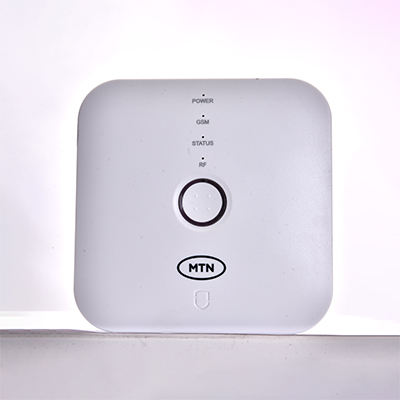
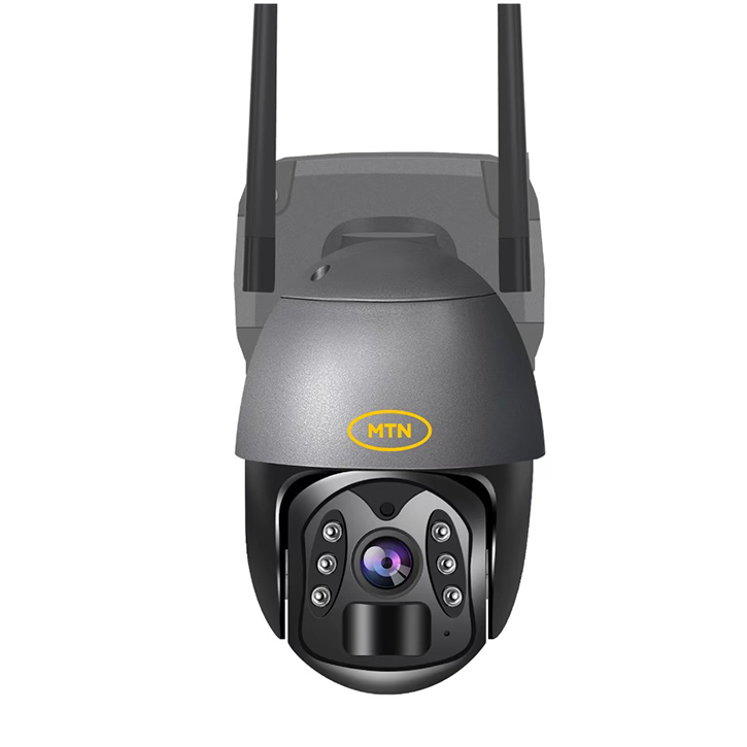
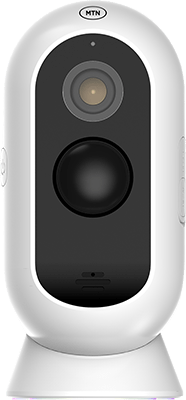
MTN EyeSyte is a suite of Wi-Fi/4G-enabled smart devices and accessories designed to provide real-time, 24/7 security for businesses, environments, assets and homes with cloud storage capacity up to 30 days playback footage and event notifications.
Other benefits and features include:
- Flexible options of electrical and battery-enabled devices
- Instant access on your mobile devices so you can view while on the go
- Alerts via SMS and mobile notifications when movement is detected.
- 360-degree surveillance and voice-activated features
- Availability of varied accessories fit for businesses and other usage
- Installation support with a downloadable app for guidance
MTN EyeSyte is ideal for:
- Small and Medium Enterprises (SMEs) – Offices, Departmental stores, religious organisations, etc.)
- Large Enterprises & Public Sector (Banks, FMCGs, Parks, etc.)
- Small office Home offices (SoHos), Estates, Individuals, etc
Click on any of our device offerings below to make your choice:
Frequently Asked Questions
Betzoid South Africa Explores No Deposit Bonus Wagering Requirements Explained
The online gambling landscape in South Africa has experienced remarkable growth over the past decade, with operators introducing increasingly sophisticated promotional strategies to attract new players. Among these incentives, no deposit bonuses have emerged as particularly popular, offering players the opportunity to explore casino platforms without risking their own funds. However, the mechanics behind these promotions—specifically the wagering requirements attached to them—remain poorly understood by many South African players. Understanding these requirements is essential for anyone seeking to maximize their online gambling experience while maintaining realistic expectations about potential winnings and withdrawal capabilities.
The Evolution of No Deposit Bonuses in South African Online Gambling
No deposit bonuses first appeared in the international online gambling market during the early 2000s, representing a significant shift in how operators competed for customer attention. These promotional offers allowed new players to register an account and receive bonus funds or free spins without making an initial deposit. The concept quickly gained traction globally, and by the mid-2010s, South African-facing operators had begun incorporating these incentives into their marketing strategies.
The South African market presented unique challenges and opportunities for online gambling operators. With a population increasingly comfortable with digital transactions and a growing middle class with disposable income, the country became an attractive target for international gambling platforms. No deposit bonuses served as an effective entry point, allowing potential customers to experience the platform’s offerings without financial commitment. This approach proved particularly effective in a market where trust in online financial transactions was still developing.
Betzoid South Africa has positioned itself within this competitive landscape by offering transparent information about bonus structures and their associated terms. The platform recognizes that educated players make better long-term customers, and this philosophy extends to how they present wagering requirements. Over time, the structure of no deposit bonuses has become more sophisticated, with operators like Betzoid implementing tiered systems, game-specific restrictions, and time-limited offers that balance player appeal with business sustainability.
Understanding Wagering Requirements: Mechanics and Mathematics
Wagering requirements, also known as playthrough requirements, represent the number of times a player must wager their bonus amount before they can withdraw any winnings derived from that bonus. These requirements exist as a protective measure for operators, preventing bonus abuse while still providing genuine value to legitimate players. A typical wagering requirement might be expressed as “35x,” meaning the bonus amount must be wagered thirty-five times before withdrawal becomes possible.
The mathematics behind wagering requirements reveals why they are necessary from an operational perspective. Consider a no deposit bonus of R100 https://betzoid.com/za/r100-no-deposit-bonus/ with a 35x wagering requirement. The player must place bets totaling R3,500 before any winnings become withdrawable. If the average house edge across all games is approximately 3-5%, the operator can expect to retain R105-R175 from that wagering activity, effectively offsetting the initial bonus cost while still giving the player a genuine chance to generate withdrawable winnings.
Different game types contribute differently toward wagering requirements, a nuance that many South African players overlook. Slot games typically contribute 100% toward requirements, meaning every rand wagered counts fully toward the playthrough total. Table games like blackjack and roulette often contribute significantly less—sometimes only 10-20%—because their lower house edges give players better odds of meeting requirements. Some games, particularly live dealer offerings, may be excluded entirely from wagering contribution. Betzoid South Africa explores no deposit bonus wagering requirements explained through detailed terms and conditions that specify these contribution rates, helping players make informed decisions about which games to play when working through bonus requirements.
Time limitations add another layer of complexity to wagering requirements. Most no deposit bonuses must be used within a specified period, typically ranging from 7 to 30 days. This temporal constraint prevents players from indefinitely holding bonus funds and creates urgency that drives engagement. However, it also means players must balance the speed of play with strategic game selection to optimize their chances of meeting requirements before expiration.
Regulatory Considerations and Consumer Protection
The regulatory environment surrounding online gambling in South Africa remains complex and somewhat ambiguous. The National Gambling Act of 2004 and its subsequent amendments primarily address land-based gambling operations, with limited specific provisions for online gambling. This regulatory gap has created a situation where many South African players access offshore gambling platforms that operate under international licenses from jurisdictions like Malta, Curaçao, and the United Kingdom.
These international regulatory bodies have established standards for how bonuses and wagering requirements must be presented to players. The Malta Gaming Authority, for instance, requires that all bonus terms be clearly displayed before a player accepts the promotion, with specific attention to wagering requirements, game restrictions, and maximum withdrawal limits. The UK Gambling Commission has implemented even stricter rules, requiring operators to display wagering requirements in a standardized format that facilitates comparison between offers.
For South African players, these international regulatory standards provide important protections even in the absence of comprehensive domestic online gambling legislation. Reputable operators serving the South African market voluntarily adhere to these standards as a matter of best practice and competitive differentiation. This includes transparent communication about wagering requirements, reasonable terms that give players a genuine opportunity to meet conditions, and responsive customer support to address questions about bonus mechanics.
Consumer advocacy groups have increasingly focused on gambling bonus transparency, arguing that complex or hidden terms constitute unfair business practices. This pressure has led to industry-wide improvements in how wagering requirements are communicated. Modern best practices include displaying requirements prominently on promotional pages, providing calculators that show players exactly how much they need to wager, and sending progress notifications as players work through their requirements.
Strategic Approaches and Player Education
Educated players approach no deposit bonuses with realistic expectations and strategic thinking. The first consideration should be whether the wagering requirements are achievable within the given timeframe. A R50 no deposit bonus with 60x wagering requirements demands R3,000 in total wagers—a substantial amount that may require more time and luck than a casual player can reasonably expect to invest.
Game selection strategy significantly impacts the likelihood of successfully meeting wagering requirements. While slots contribute fully toward requirements, their high volatility means results can vary dramatically. Low-volatility slots provide more consistent, smaller wins that help preserve the bonus balance over the extended play session needed to meet requirements. High-volatility games offer larger potential payouts but carry greater risk of depleting the bonus before requirements are met.
Bankroll management becomes particularly important when working through wagering requirements. Players should calculate their average bet size based on the bonus amount and requirement multiplier, ensuring they can sustain play long enough to have a reasonable chance of meeting conditions. Betting too aggressively risks early depletion of funds, while betting too conservatively may prevent completion within time limits.
Documentation and record-keeping help players track their progress and identify any discrepancies. Reputable platforms provide real-time tracking of wagering progress, but players should independently monitor their activity, noting which games they’ve played and how much they’ve wagered. This practice not only helps with strategic planning but also provides evidence if disputes arise about whether requirements have been met.
The psychological aspect of bonus play deserves consideration. Wagering requirements can create pressure to play beyond one’s comfort level or to chase losses in an attempt to meet conditions before expiration. Successful players maintain discipline, recognizing that not every bonus will result in withdrawable winnings and that the primary value lies in the entertainment and learning experience rather than guaranteed profit.
No deposit bonuses represent a valuable tool for exploring online gambling platforms without financial risk, but their true value depends entirely on understanding the wagering requirements attached to them. The South African online gambling market has matured considerably, with platforms providing increasingly transparent information about bonus mechanics and players becoming more sophisticated in their approach to promotional offers. Wagering requirements serve a legitimate business purpose while still offering genuine value to players who approach them with realistic expectations and strategic thinking. As the regulatory environment continues to evolve and consumer protection standards improve, the relationship between operators and players becomes more balanced, creating an ecosystem where promotional offers can benefit both parties when properly understood and responsibly utilized.